
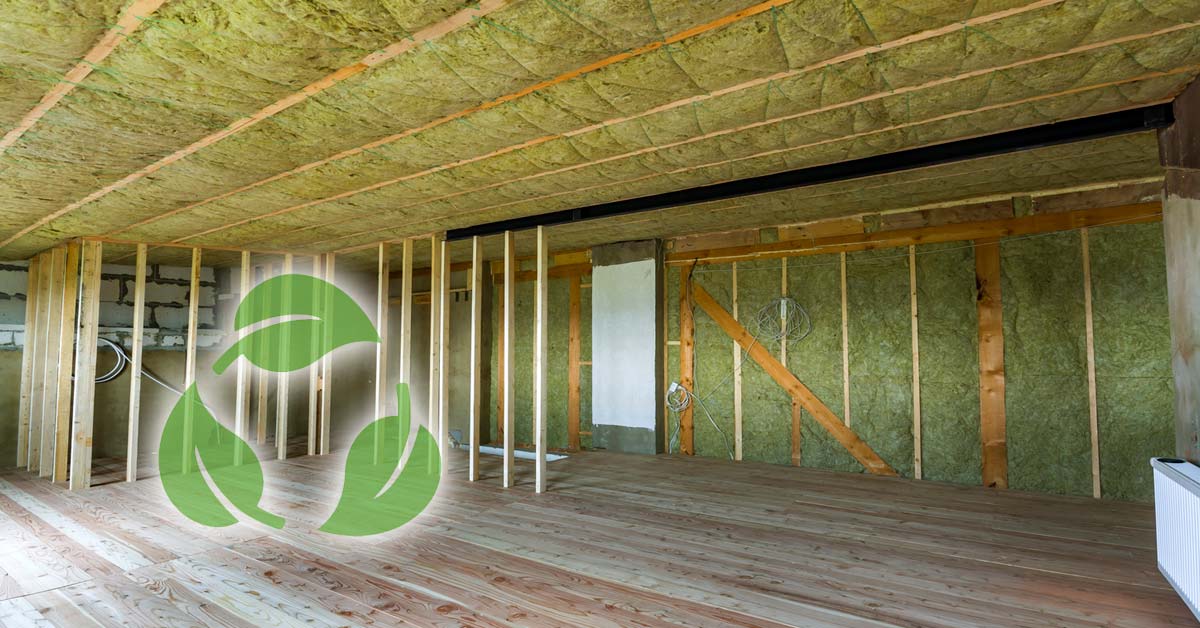
Imagine a world where buildings produce as much energy as they consume – a future that is fast becoming a necessity rather than an option. As nations strengthen their climate commitments to achieve net-zero targets, eco-friendly insulation has emerged as a critical solution for sustainable construction.
Effective insulation not only improves thermal comfort but also reduces energy consumption, emissions, and long-term operational costs. At the forefront of this shift is PBM Insulations, a trusted name in the industry since 1993. Known for its innovative and energy-efficient insulation solutions, PBM delivers zero-PPM quality products that meet global standards
From recycled paper-based and cellulose insulation to natural fibres like hemp and jute. PBM delivers sustainable insulation solutions that reduce environmental footprints.
This article explores how PBM is redefining net-zero construction with eco-friendly insulation technologies and Sustainable Building Solutions.
Understanding what makes insulation eco-friendly is essential to appreciating its role in sustainable building design. This section explains its meaning, features, and why it matters.
Also Read:
What is Eco-Friendly Insulation?
Eco-friendly insulation refers to thermal insulation products that are non-toxic, energy-efficient, recyclable, and low in environmental impact throughout production, use, and disposal.
✅ Key Features of Eco-Friendly Insulation:
- Uses renewable, natural, or recycled materials
- Free from toxic or off-gassing chemicals
- Enhances building energy performance by minimising heat gain and loss
- Lowers overall greenhouse gas emissions throughout its lifespan
- Generates fewer greenhouse gas emissions over its lifecycle
- Biodegradable or recyclable
By choosing eco-friendly insulation, architects and builders integrate sustainability at the core of their projects, aligning with net-zero targets and creating healthier indoor environments.
How It Differs from Conventional Insulation
Knowing the difference between eco-friendly and conventional insulation helps you make informed decisions that impact sustainability, safety, and operational costs.
| Feature | Eco-Friendly Insulation | Conventional Insulation |
| Material | Recycled paper, hemp, wool, cellulose | Fiberglass, foam, mineral wool |
| Toxicity | Low to zero | May release VOCs or fibers |
| Lifecycle | Sustainable, renewable | Resource-intensive |
| Disposal | Recyclable/biodegradable | Often non-recyclable |
Unlike traditional insulation, eco-friendly alternatives go beyond temperature control, integrating into Sustainable Building Solutions that reduce environmental footprints.
Common Types of Eco-Friendly Insulation
Selecting the right insulation begins with knowing your options. Here are the most common types of eco-friendly insulation available today.
What Are the Most Common Types of Eco-Friendly Insulation Available Today?
- Cellulose Insulation: Recycled paper-based, excellent thermal resistance
- Natural Fiber Insulation: Hemp, jute, and wool with minimal environmental impact
- Recycled PET Insulation: Plastic bottle-based, durable and lightweight
- Low VOC Foams: Energy-efficient with minimal indoor air pollutants
- Aerogel-Based Insulation: Ultra-lightweight, high thermal efficiency for advanced applications
These materials help meet sustainability goals without compromising on performance, durability, or design flexibility.
The Role of Insulation in Net-Zero Construction
Insulation is the backbone of net-zero buildings, enabling them to maintain thermal balance and achieve energy efficiency targets. Here is why it matters.
Why Insulation Matters
The environmentally friendly insulation acts as an invisible shell around a building, affecting:
- Thermal comfort and indoor temperature stability
- Heating and cooling energy consumption
- Energy-related carbon emissions
Even the best HVAC systems struggle to maintain efficiency without proper insulation, leading to increased operational costs and carbon footprints.
Lower Emissions = Thermal Efficiency
✅ Benefits of Efficient Insulation:
- Reduced energy bills
- Lower environmental impact
- Eligibility for green building certifications
With high-performance eco-friendly insulation, achieving net-zero construction becomes realistic and practical for every building type.
Based on Global Frameworks
PBM’s insulation solutions are designed to align with global standards, ensuring compliance and recognition in sustainable construction.
Frameworks Supporting Insulation
PBM’s approach aligns with:
- LEED: Leadership in Energy and Environmental Design
- BREEAM: Building Research Establishment Environmental Assessment Method
- India ECBC: Energy Conservation Building Code
These frameworks consider insulation a critical element of Sustainable Building Solutions, strengthening PBM’s role as a trusted partner for eco-friendly construction.
The PBM Sustainable Insulation Solution
PBM’s eco-friendly insulation is not just a product but an innovation designed with purpose. Here’s how PBM leads the way.
About PBM
Since 1993, PBM has combined state-of-the-art R&D, sustainable procurement, and advanced technologies to produce insulation that is both effective and environmentally responsible.

Sustainable Materials, Smarter Products
PBM’s product line includes:
- Recycled paper-based insulation
- Cellulose insulation
- Natural fibers like hemp and jute
- Low VOC high-density foams
- Plastic bottles insulated PET
Innovation by Design
PBM invests in:
- Improving R-values through material science
- Lifecycle carbon impact measurement tools
- Moisture-resistant, mold-proof durable technologies

PBM’s innovations empower buildings to be net-zero ready across diverse climates and designs, making them a preferred insulation partner.
Advantages of PBM Eco-Friendly Insulation Solutions
Choosing PBM’s eco-friendly insulation brings multiple performance and sustainability benefits.
✅ Key Advantages:
- Enhanced Thermal Performance: High R-values maintain indoor temperature efficiently.
- Lower Heating & Cooling Costs: 20–40% energy savings for building owners.
- Certification Support: Meets LEED, IGBC, BREEAM, and WELL standards.
- Waterproof and Long-Lasting: Hydrophobic and mold-resistant for longevity, even in humid conditions.
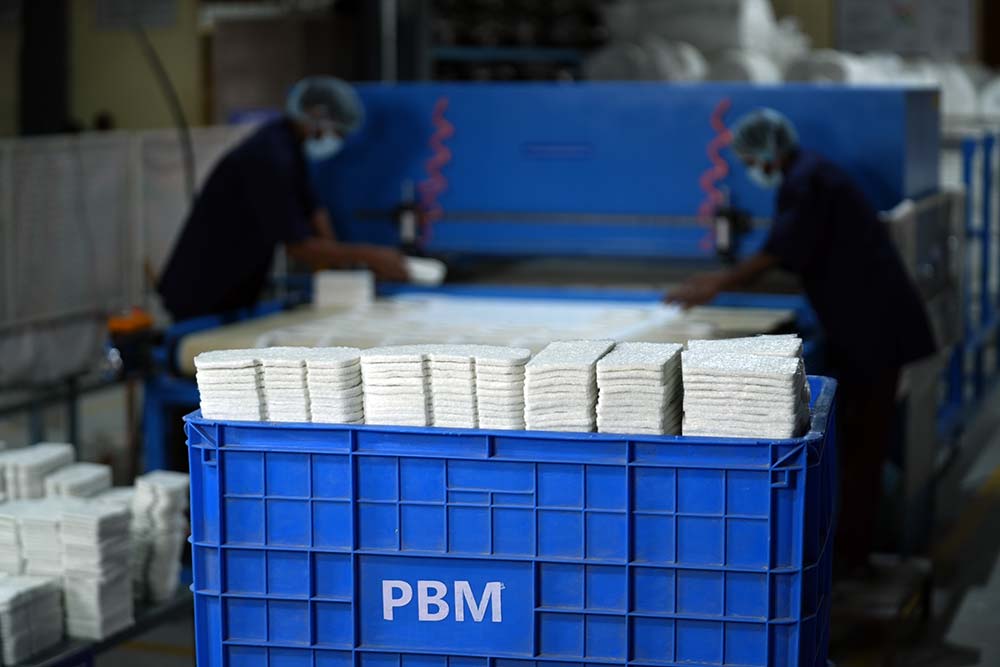
These energy-efficient insulation solutions contribute to both lower energy bills and a reduced environmental footprint. This ensures long-term cost savings and regulatory compliance.
FAQs: Eco-Friendly Insulation
Here are some quick answers to frequently asked questions about eco-friendly insulation.
✅ Why is insulation eco-friendly?
It uses non-toxic, renewable or recycled materials to deliver thermal efficiency with minimal environmental impact, ensuring safety for indoor air quality and recyclability.
✅ What is its role in net-zero energy?
By minimizing energy loss, it reduces heating and cooling requirements, aligning energy consumption with renewable energy sources for net-zero performance.
For further queries or custom solutions, PBM’s team is ready to support your sustainability journey. Building a sustainable future starts with choosing the right solutions today.
Final Thoughts
PBM’s eco-friendly insulation solutions go beyond thermal protection – they represent a commitment to innovation, sustainability, and zero-PPM quality.
By using natural fibres, recycled PET, cellulose, and low VOC materials, PBM delivers energy-efficient insulation that reduces emissions and supports Sustainable Building Solutions. Builders, architects, and engineers rely on PBM for eco-friendly insulation that meets global standards like LEED and BREEAM, ensuring long-term performance and cost savings. Whether constructing net-zero homes, EV facilities, or industrial projects, PBM’s sustainable insulation empowers a greener future.
Connect with PBM Insulations today to achieve superior thermal efficiency and build responsibly for tomorrow’s world.
Ready to Future-Proof Your Product with Insulation That Performs?
At PBM Insulations, we engineer thermal and acoustic solutions that power India’s leading OEMs. Whether you’re building the next electric vehicle, optimizing industrial machinery, or looking to enhance sustainability — we’re here to co-create with precision, trust, and performance.
Let’s turn your insulation challenges into engineered solutions.
???? Reach out for a custom consultation
???? Visit us at: www.pbminsulations.com
???? Call us: +91-7310777959
???? Connect with us: LinkedIn | YouTube | Instagram
Join our network for monthly insights on insulation innovation, EV breakthroughs, and industry trends. Subscribe to PBM Insulation Insights today.
“Crafting Quiet Strength Since 1993” | An IATF, ISO & Ecovadis Certified Company | Your OEM Partner in Thermal & Acoustic Innovation