

Electric and hydrogen mobility are evolving faster than ever. With higher charging speeds, denser battery packs, and more powerful fuel cell systems, vehicles today demand insulation that is both lightweight and extremely fire safe. Thermal insulation for EVs plays a critical role in meeting these demands. PBM delivers specialised materials that help OEMs enhance safety, improve range, and accelerate the adoption of next-generation mobility platforms.

To understand how insulation enables this shift, it is important to first examine why thermal materials matter so much in EV and hydrogen systems.
Also Read:
- Thermal Engineering for EV Batteries and Fuel Cells: Next-Gen Mobility
- Engineering Reliability: Inside PBM’s Quality-to-Delivery Ecosystem
Why Lightweight Thermal Materials Matter for Next-Generation Mobility
As mobility electrifies, energy efficiency and thermal stability have become central engineering priorities. OEMs are now expected to balance fast charging, long range, and strict global safety standards without increasing vehicle mass. Lightweight insulation directly supports this goal by reducing heat load, lowering cooling demand, and preserving valuable energy that would otherwise be wasted.
Impact of Weight Reduction on EV Range and Efficiency
Lightweight insulation improves real-world EV range by reducing energy consumption during acceleration, hill climbs, and sustained cruising. Effective EV insulation also reduces the workload on cooling plates during fast charging. This helps stabilise battery packs when exposed to heat spikes from 150 kW to 350 kW chargers, supporting both performance consistency and battery safety.
Thermal Challenges Unique to Hydrogen Fuel Cell Systems
Hydrogen systems operate across extreme temperature ranges. Refuelling takes place at nearly minus forty degrees Celsius, while fuel cell stacks continuously release 50 to 100 kW of waste heat during operation. Reliable fuel cell protection depends on insulation that can manage these extremes, maintain thermal balance, protect tanks, and prevent efficiency losses across long operating cycles.
Rising Safety Requirements Across EV and Hydrogen Platforms
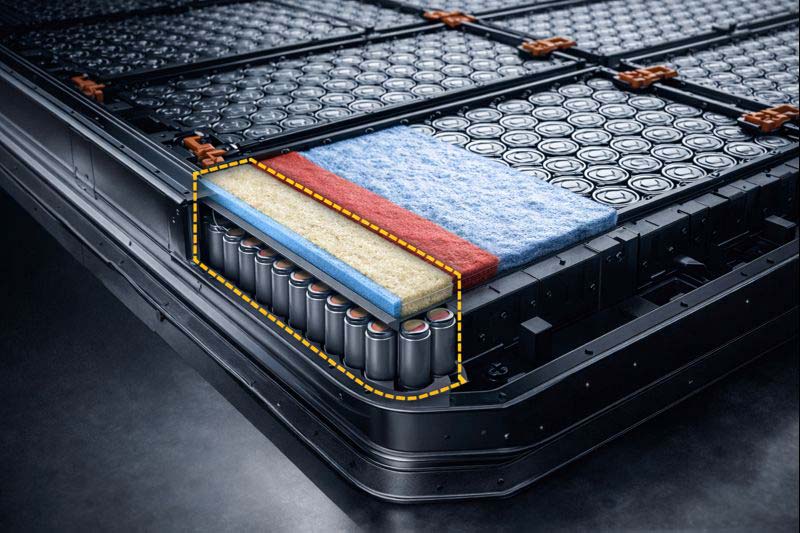
As battery power density increases, regulators now mandate stronger fire safety requirements for thermal containment and propagation control. Fire-resistant materials that deliver lightweight protection are becoming essential for pack enclosures, module walls, and cabin shielding. Battery safety is no longer a design consideration; it is a regulatory and commercial necessity.
The Role of Advanced Insulation in EV and Hydrogen Systems
Before selecting materials, OEMs must consider how insulation supports both performance and safety across different zones of the vehicle. Each area, from the battery pack to the fuel cell stack, has unique demands that influence material selection and engineering design.
Fire Barriers and UL94 Grade Protection
PBM offers UL94 V0-rated barriers, stainless steel wool, hybrid composites, and ceramic mats that provide reliable protection against flame, high heat, and thermal propagation. These solutions support regulatory compliance while strengthening overall battery safety and structural resilience.
Managing Heat During Fast Charging
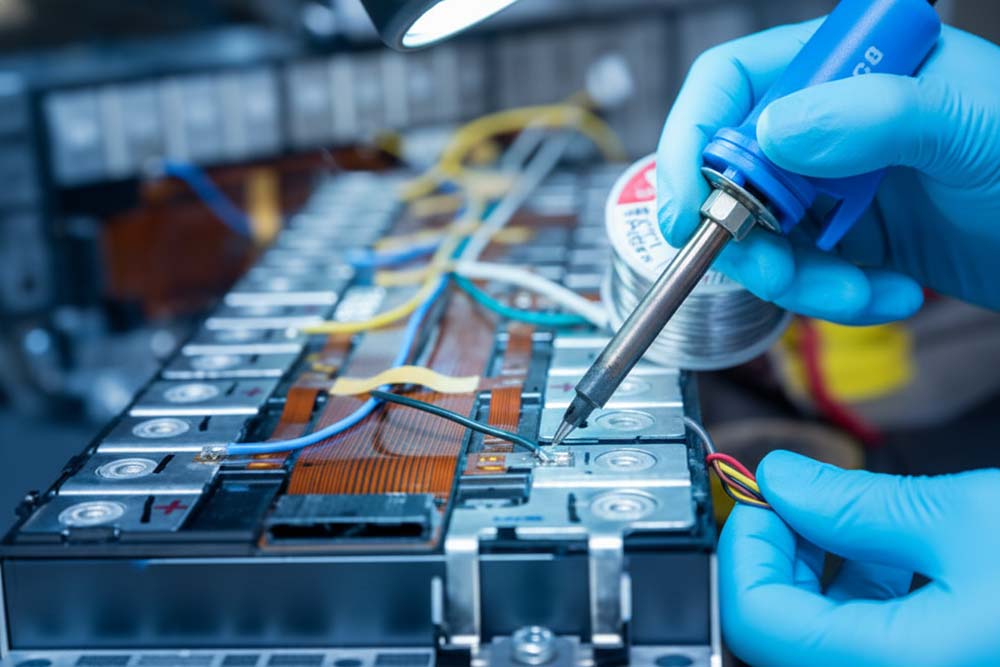
Fast charging introduces severe thermal stress within EV battery systems. Optimised insulation helps prevent hot spots, protects sensitive components, and ensures cooling systems operate efficiently during peak heat generation. This results in safer charging cycles and more predictable performance under high-load conditions.
Cryogenic Containment for Hydrogen Tanks and Lines
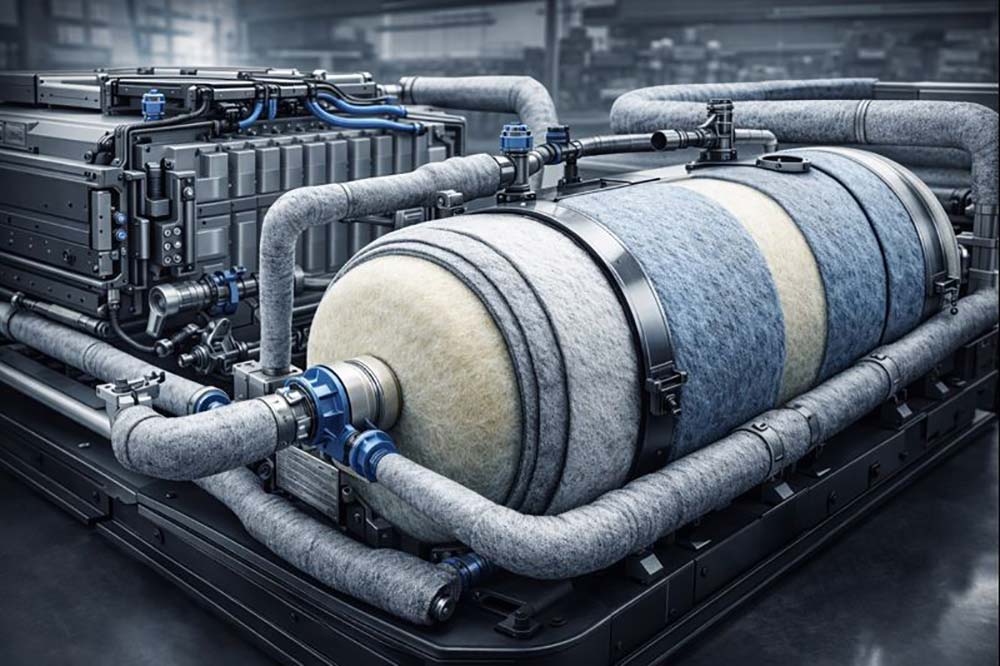
Hydrogen tanks and delivery lines require insulation that performs reliably at both cryogenic and elevated temperatures. PBM supports hydrogen mobility insulation needs with advanced wraps, aerogel insulation sheet materials, and multilayer protective structures. These solutions maintain hydrogen purity, stabilise tanks, and ensure safe temperature control across operating conditions.
PBM Lightweight and High-Performance Material Portfolio
As thermal expectations rise, PBM offers a diverse portfolio of engineered materials designed for next-generation mobility. Each solution is developed to deliver maximum performance with minimal added mass, helping OEMs meet efficiency, safety, and durability targets.
Aerogels, Ceramic Mats, and Hybrid Composites
Aerogels provide some of the lowest thermal conductivity values available today. PBM supplies flexible aerogel insulation sheet formats along with ceramic mats and hybrid composites engineered for high-performance EV and hydrogen components. These materials support compact designs without compromising thermal protection.
UL-Grade Barriers and Stainless Steel Wool
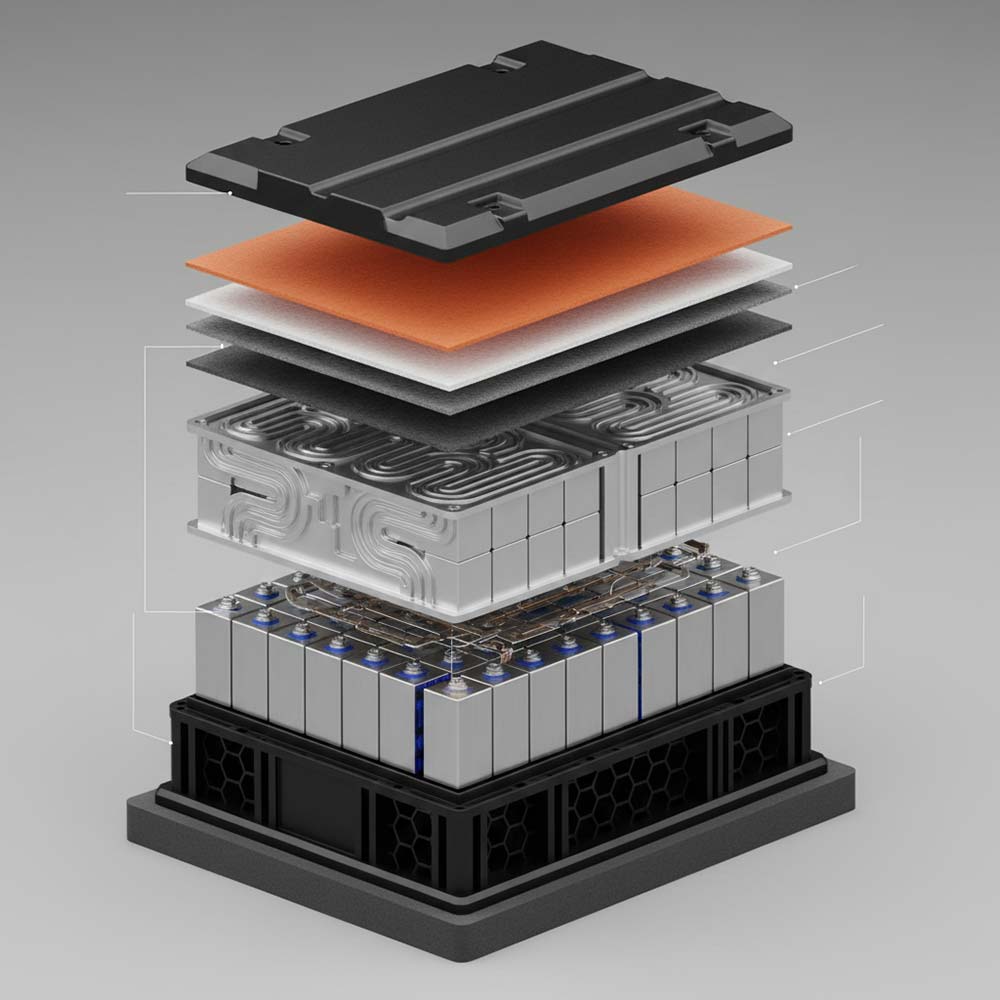
PBM’s UL-grade thermal barriers and stainless steel wool products deliver robust fire protection across high-risk zones. These materials are widely used in battery modules, pack enclosures, fuel cell housings, and thermal shield applications that require stable high-temperature insulation and long-term reliability.
Die-Cut and Precision-Fit Solutions for OEM Architectures
Precision fitment is critical in modern automotive design. PBM uses CAD models, digital templates, and automated die-cutting processes to ensure exact component integration. This reduces assembly effort, improves repeatability, and supports consistency across high-volume production programs.
Hydrogen Heavy-Duty Fleet Requirements for 2026 and Beyond
The next generation of hydrogen-powered commercial fleets will operate under continuous high load. These platforms require advanced insulation to maintain efficiency, safety, and long service life. PBM solutions are engineered to support emerging hydrogen platforms as they move toward mass adoption.
High-Output Fuel Cell Trucks
Heavy-duty fuel cell trucks expected after 2026 will rely on stacks producing 300 to 400 kW, generating substantial waste heat. PBM insulation stabilises these systems for extended operation in demanding real-world conditions, protecting critical components and supporting sustained performance.
Cryogenic Tank and Line Protection
PBM multilayer insulation systems, vapour barriers, and high-temperature materials help maintain hydrogen quality and protect cryogenic tanks from heat ingress. These solutions ensure consistent performance even under heavy-duty operating cycles and variable environmental conditions.
Real-World Performance Advantages
Lightweight insulation reduces thermal stress, improves system efficiency, and extends the life of fuel cell and storage components. For commercial fleets, these advantages translate into lower operating costs, improved uptime, and more reliable long-term performance.
PBM Engineering, Compliance, and Scalable Manufacturing
Effective insulation requires more than advanced materials. PBM supports its solutions with engineering expertise, global certifications, and scalable manufacturing systems designed to meet rapid OEM development cycles.
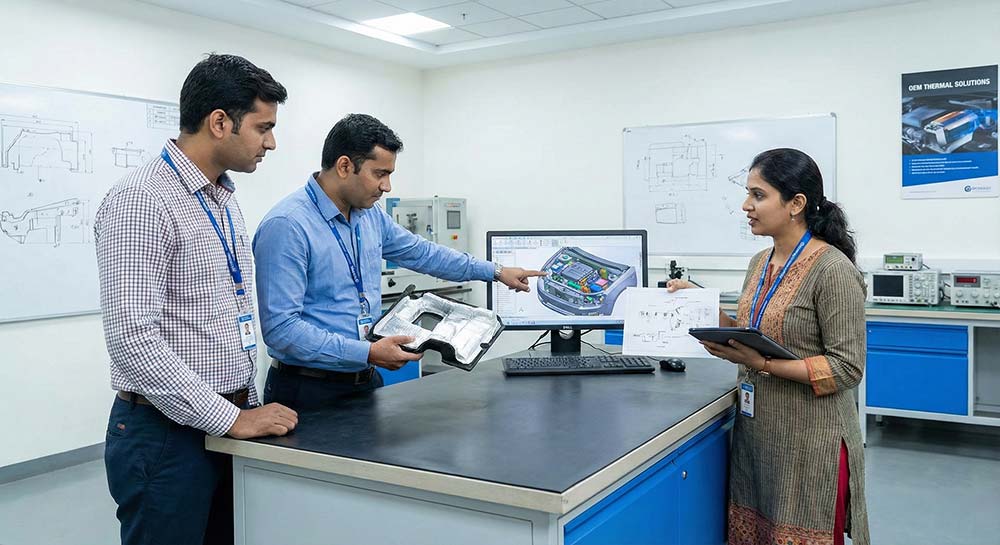
Simulation and CAD-Based Prototyping
PBM engineering teams use thermal simulation, airflow modelling, and CAD-based fitment to create prototypes quickly and accurately. This approach shortens development timelines and reduces the number of design iterations required before production readiness.
Safety and Certification Compliance
PBM materials meet global automotive and hydrogen safety standards, including UL94 V0, FMVSS specifications, IEC insulation requirements, and recognised hydrogen system guidelines. This provides OEMs with confidence when designing safety-critical components and platforms.
Commercial and Partnership Benefits
With scalable global manufacturing capabilities, PBM supports large-volume OEM programs while maintaining consistent quality. Precision die-cut components and automated production lines make integration smooth, repeatable, and commercially viable.
Also Read:
Conclusion
EV and hydrogen systems demand insulation that is lightweight, fire safe, and engineered for the future. Thermal insulation for EVs remains central to improving battery safety, protecting fuel cell systems, and enabling reliable next-generation mobility platforms. PBM delivers a comprehensive portfolio of materials and engineering capabilities that help OEMs build safer, more efficient, and more durable vehicles.
Whether you need battery safety insulation, advanced EV thermal management, or hydrogen thermal systems protection, PBM provides customised designs, advanced materials, and dependable manufacturing support.
OEMs and engineering teams can start the insulation conversation early—before design decisions become irreversible. Connect with PBM to evaluate materials, validate thermal performance, and develop insulation solutions engineered for safety, scale, and long-term reliability.
Ready to Future-Proof Your Product with Insulation That Performs?
At PBM Insulations, we engineer thermal and acoustic solutions that power India’s leading OEMs. Whether you’re building the next electric vehicle, optimizing industrial machinery, or looking to enhance sustainability — we’re here to co-create with precision, trust, and performance.
Let’s turn your insulation challenges into engineered solutions.
📩 Reach out for a custom consultation
🌐 Visit us at: www.pbminsulations.com
📞 Call us: +91-7310777959
🔗 Connect with us: LinkedIn | YouTube | Instagram
Join our network for monthly insights on insulation innovation, EV breakthroughs, and industry trends. Subscribe to PBM Insulation Insights today.
“Crafting Quiet Strength Since 1993” | An IATF, ISO & Ecovadis Certified Company | Your OEM Partner in Thermal & Acoustic Innovation