

An insulation component may meet its temperature specification yet fail prematurely in a heavy-duty vehicle. Continuous heat exposure, vibration and restricted clearances can compromise fitment and durability. For OEM insulation engineers, selecting the right heavy-duty insulation components means looking beyond temperature ratings to actual operating conditions.
Commercial vehicles, construction equipment and agricultural machinery operate under demanding duty cycles. Engine bays, exhaust systems and after-treatment assemblies face sustained heat and mechanical stress. These challenges make component construction, installation and long-term reliability critical to export ready insulation performance.
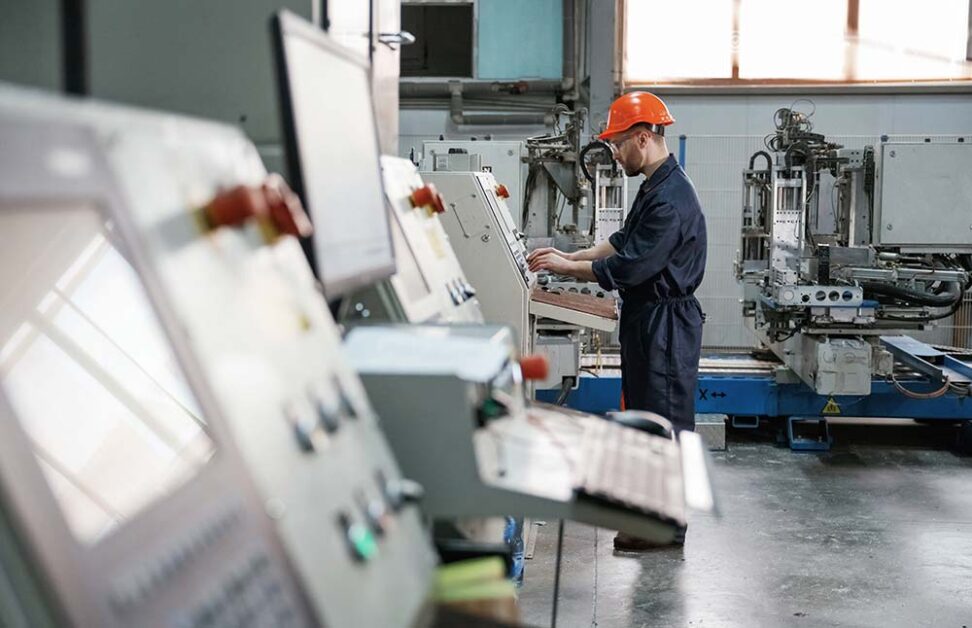
At PBM Insulations, we have been manufacturing insulation solutions since 1993. Our experience with automotive OEMs has shaped our approach to application-specific engineering. We support customers from material selection and custom design to prototyping, testing and manufacturing. Our focus remains on reliable performance under demanding operating conditions.
In this blog, we explore how geometry, clearance, vibration and service conditions influence component design, fitment and validation. We also examine how commercial and off-highway OEMs can translate application requirements into custom insulation components ready for repeatable manufacturing.
Heavy-Duty Insulation Components: Engineering Selection
Heavy-duty insulation components protect vehicle and equipment systems from heat while supporting safety and durability. Initial engineering selection must consider temperature resistance, geometry, mechanical strength and installation conditions. Material specifications provide a starting point, but component construction determines suitability for actual operating environments.
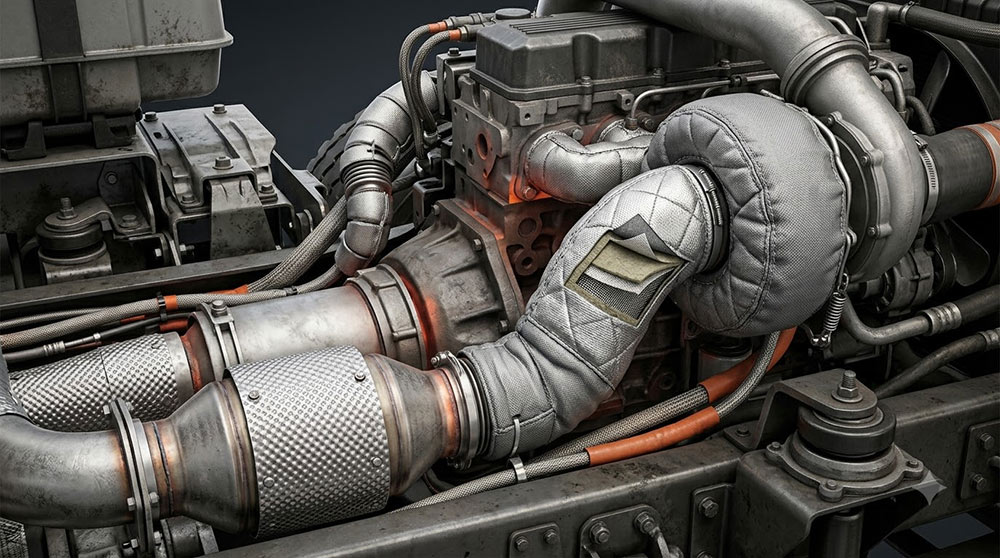
Heavy-duty insulation components manage heat around engines, exhaust systems and after-treatment assemblies. They protect nearby parts and support operator safety. Their suitability depends on temperature, vibration, available space and environmental conditions that affect long-term performance.
Component Specifications Support Initial Insulation Screening
Material specifications help engineers identify suitable insulation for commercial vehicles and off-highway equipment. Temperature resistance and thermal properties are important screening factors. They indicate how a material may control heat under defined conditions.
Fire resistance, acoustic performance, mechanical strength and flexibility also influence selection. These properties help engineers narrow their options before assessing component design. However, specifications alone cannot confirm long-term performance under demanding operating conditions.
Component Construction Defines Real-World Performance
Component construction affects thermal performance, flexibility, durability and installation. Blankets, flexible heat shields, barriers and sleeves serve different application needs. Their design must account for available space, component movement and the surrounding equipment layout.
Even the same insulation material can perform differently when its thickness, facing or mounting method changes. Exposure conditions also affect its performance. Engineers must therefore assess component construction alongside material selection to develop reliable automotive thermal insulation solutions.
For commercial and off-highway OEMs, effective insulation selection goes beyond material ratings. It requires matching component design with actual operating conditions, ensuring reliable fitment and long-term performance.
Heavy-Duty Insulation Performance in Commercial Vehicles
Heavy-duty insulation performance depends on more than temperature resistance. Commercial vehicles and off-highway equipment face continuous heat, vibration and mechanical stress. PBM addresses these challenges through application-specific material selection, custom component manufacturing and in-house testing.
Thermal Exposure Determines Insulation Component Selection
Engine bays, exhaust systems and after-treatment assemblies create different heat exposure conditions. PBM offers insulation mats, flexible heat shields and customised formats to address these requirements.
- Heat Source Proximity: Flexible heat shields and insulation jackets help protect components near exhaust manifolds, turbochargers and other high-temperature zones.
- Heat Transfer Modes: PBM’s Supermat ECR and laminated insulation formats support thermal protection based on the application’s heat-transfer requirements.
- Exposure Duration: Continuous heat, thermal cycling and regeneration conditions influence material selection, component construction and validation needs.
Mechanical and Acoustic Loads Influence Component Design
Heavy-duty equipment also exposes insulation to vibration, compression and movement. PBM’s custom manufacturing capabilities help adapt insulation components to these operating conditions.
- Vibration Resistance: Custom profile-cut and moulded components support application-specific fitment and secure installation.
- Compression and Movement: Component thickness, construction and mounting methods are assessed against available clearance and mechanical movement.
- NVH Control: PBM’s Synthalon Felt and acoustic insulation mats support noise absorption in vehicle enclosures and operator cabins.
For OEMs, reliable insulation begins with understanding the complete operating environment. PBM combines material expertise, custom manufacturing and engineering validation to develop components suited to commercial and off-highway applications.
Heavy-Duty Insulation Selection for OEM Applications
Selecting heavy-duty insulation components requires a system-level approach. Engineers must assess how heat, vibration, geometry and environmental exposure affect the complete assembly. PBM supports this process through application assessment, custom component design and engineering validation.
System-Level Factors Determine Insulation Component Suitability
Engine and exhaust geometry influence insulation design. Heat source proximity, airflow and limited packaging space can expose nearby components to high temperatures. PBM uses engineering assessment and custom manufacturing to develop insulation formats that meet these application requirements.
Attachment methods, vibration, moisture, oil, dust and thermal cycling also affect durability. Components must retain their fitment and function during operation and maintenance. PBM’s prototyping and in-house testing capabilities support material evaluation before production.
How Does System-Level Evaluation Improve Insulation Reliability?
System-level evaluation helps OEMs identify insulation components suited to actual operating conditions. It considers how heat, vibration, contamination and limited space affect component performance together. This approach reduces the risk of poor fitment, premature wear and material failure. It also supports informed decisions on component design, installation and long-term durability.
Custom Heavy-Duty Insulation Components for OEMs
Custom heavy-duty insulation components must match actual equipment requirements. PBM follows an application-led approach to develop insulation solutions for commercial vehicles and off-highway machinery.
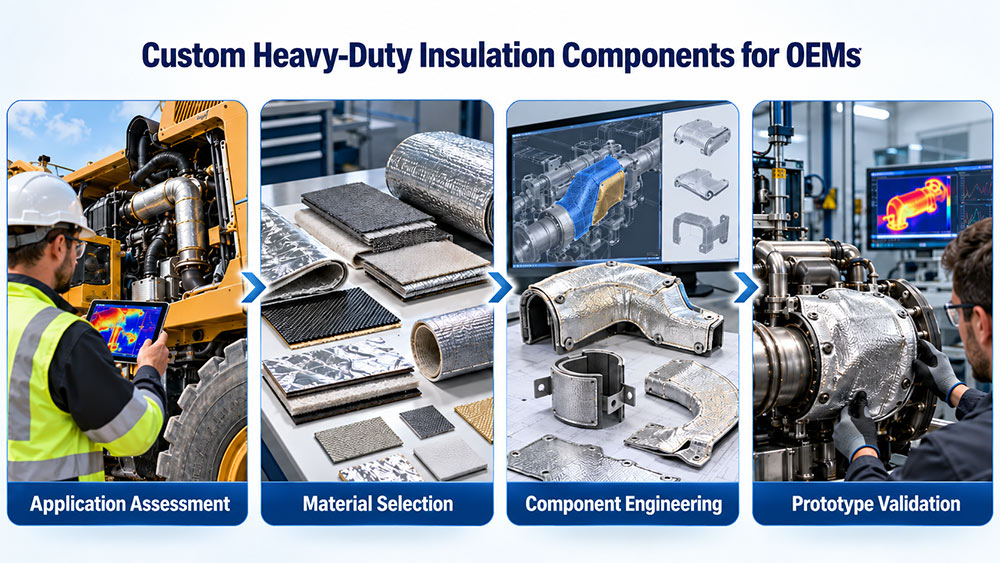
Each stage connects material selection with component design, validation and manufacturing.
- Application Assessment: PBM evaluates thermal exposure, vibration, acoustic needs and environmental conditions. These requirements guide component selection for specific equipment zones.
- Material Selection: Temperature ratings, thermal properties and mechanical strength help identify suitable materials. PBM’s portfolio includes Supermat insulation mats, flexible heat shields and laminated formats.
- Custom Component Engineering: Geometry, clearance, attachment methods and airflow influence component design. PBM uses profile cutting, moulding and lamination to develop components suited to OEM fitment requirements.
- Prototyping and Validation: Custom samples undergo fitment assessment and relevant material testing. This helps verify suitability before moving towards repeatable manufacturing.
The objective is not simply to select insulation with the highest temperature rating. It is to develop a component that performs reliably throughout its intended service life. PBM connects application requirements with engineering and manufacturing capabilities, helping OEMs move from drawings or samples towards production-ready insulation components.
Conclusion
Selecting heavy-duty insulation components requires more than comparing temperature ratings. Reliable performance depends on how materials respond to heat, vibration, contamination and mechanical stress during actual equipment operation.
For commercial and off-highway OEMs, component geometry, installation and serviceability are equally important. Each factor influences long-term durability and insulation performance.
At PBM Insulations, we combine material expertise, custom engineering and in-house validation to develop application-specific solutions. Our focus is on reliable fitment, consistent quality and repeatable manufacturing.
Discuss your heavy-duty insulation requirements with PBM’s engineering team. Explore custom-designed, validated solutions for your next OEM programme.
Ready to Future-Proof Your Product with Insulation That Performs?
At PBM Insulations, we engineer thermal and acoustic solutions that power India’s leading OEMs. Whether you’re building the next electric vehicle, optimizing industrial machinery, or looking to enhance sustainability — we’re here to co-create with precision, trust, and performance.
Let’s turn your insulation challenges into engineered solutions.
📩 Reach out for a custom consultation
🌐 Visit us at: www.pbminsulations.com
📞 Call us: +91-7310777959
🔗 Connect with us: LinkedIn | YouTube | Instagram
Join our network for monthly insights on insulation innovation, EV breakthroughs, and industry trends. Subscribe to PBM Insulation Insights today.
“Crafting Quiet Strength Since 1993” | An IATF, ISO & Ecovadis Certified Company | Your OEM Partner in Thermal & Acoustic Innovation