
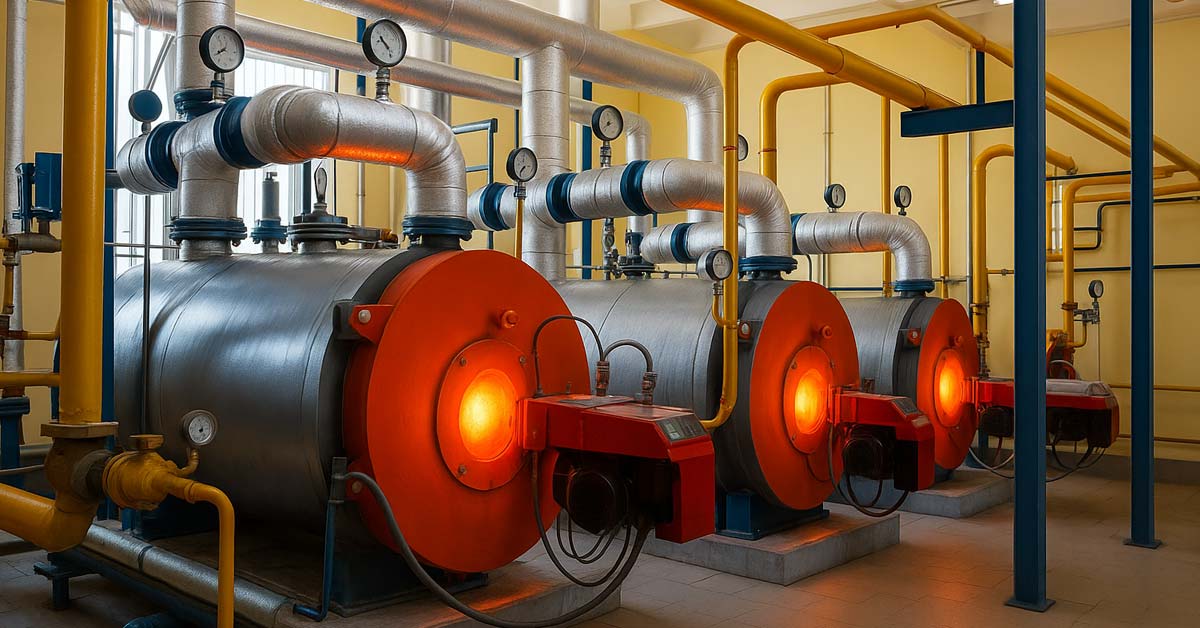
In energy-intensive industries, even a small degree of heat loss translates into enormous waste. According to the International Energy Agency, thermal inefficiencies account for nearly 30 percent of industrial energy loss globally. In sectors such as steel, petrochemicals, and power generation, this is not just about fuel bills—it is also a matter of worker safety and equipment reliability.

This is where high-temperature insulation (HTI) steps in with energy efficiency tips. More than just a protective layer, it is a performance enabler. At PBM Insulations, we have seen how advanced thermal insulation transforms operations—cutting energy loss, extending asset life, and safeguarding employees. This article explains why high-heat protection is no longer optional and how industries are using it to align with safety, efficiency, and ESG commitments.
Also Read:
What Is High-Temperature Insulation?
High-temperature insulation refers to engineered materials that withstand exposure above 1,000 °C without compromising thermal performance or structural integrity. These solutions slow heat transfer, shield assets, and create safer environments for workers.
Common Materials Used
- Ceramic Fiber – Lightweight, shock-resistant, and ideal for continuous exposure.
- Insulating Firebrick – Provides both strength and insulation for kilns and furnaces.
- Calcium Silicate – Durable, fire-resistant, and widely used in boiler insulation and piping.
Takeaway: High-temperature insulation manages extreme heat, protecting both equipment and people while cutting energy loss.
How Does High-Temperature Insulation Improve Industrial Efficiency?
Industrial efficiency is built on energy savings and operational consistency. By applying industrial insulation, companies realize measurable improvements:
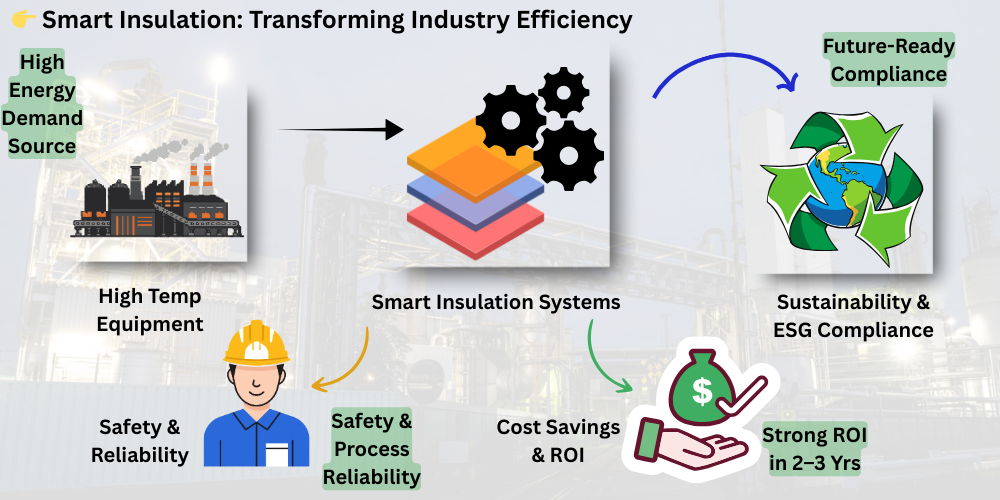
- Reduced Energy Loss → Lower Costs: HTI prevents heat escaping from boilers and furnaces, reducing annual fuel use by up to 20 percent in steel plants.
- Improved Process Stability: Consistent thermal conditions boost product quality in rolling mills and petrochemical reactors.
- Extended Equipment Life: Insulation reduces thermal cycling stresses, lowering repair and replacement costs.
Case Example
A major steel manufacturer in India integrated ceramic fiber linings into its blast furnaces. The result was an immediate 15 percent reduction in fuel usage and improved consistency in production runs.
Snippet takeaway: High-temperature insulation delivers lower energy bills, stable processes, and longer-lasting equipment—directly impacting profitability.
How Does Insulation Enhance Workplace Safety?
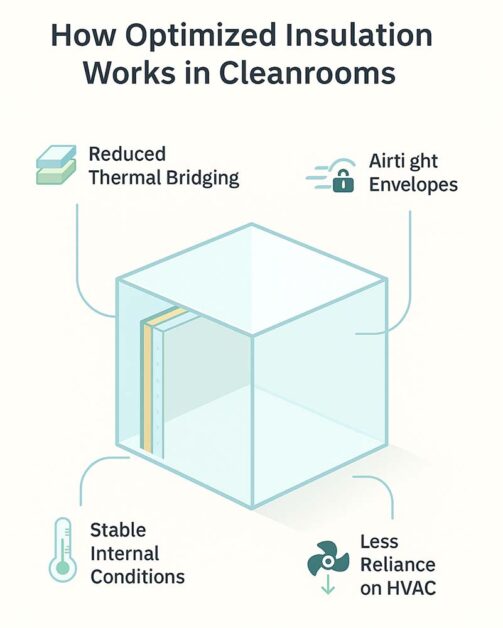
Safety is non-negotiable in industrial operations. Proper thermal insulation ensures protection fof workers and systems
- Fire Containment. Reduction in fire spread during leaks or malfunctions.
- Lower Surface Temperatures. Insulation cuts the risk of burns during maintenance.
- Regulatory Compliance: Facilities meet OSHA, ISO, and environmental safety standards with robust HTI.
Case Example
In glass manufacturing, exposed furnace surfaces exceed 300 °C. By using boiler insulation and ceramic wraps, surface temperatures are brought down to safe-touch levels, preventing burns and accidents.
Snippet takeaway: High-temperature insulation enhances fire resistance, reduces accidents, and helps meet compliance standards globally.
Which Materials Work Best for High-Heat Applications?
Choosing the right insulation material depends on the operational environment.
- Ceramic Fiber – Flexible and ideal for applications requiring rapid heating and cooling.
- Insulating Firebrick – Reliable in continuous heavy-duty environments like kilns.
- Calcium Silicate – Strong and resistant, making it suitable for boilers and piping.
Snippet takeaway: Each HTI material offers unique benefits—flexibility, structural strength, or fire resistance—tailored to industry needs.
Where Is High-Temperature Insulation Used?
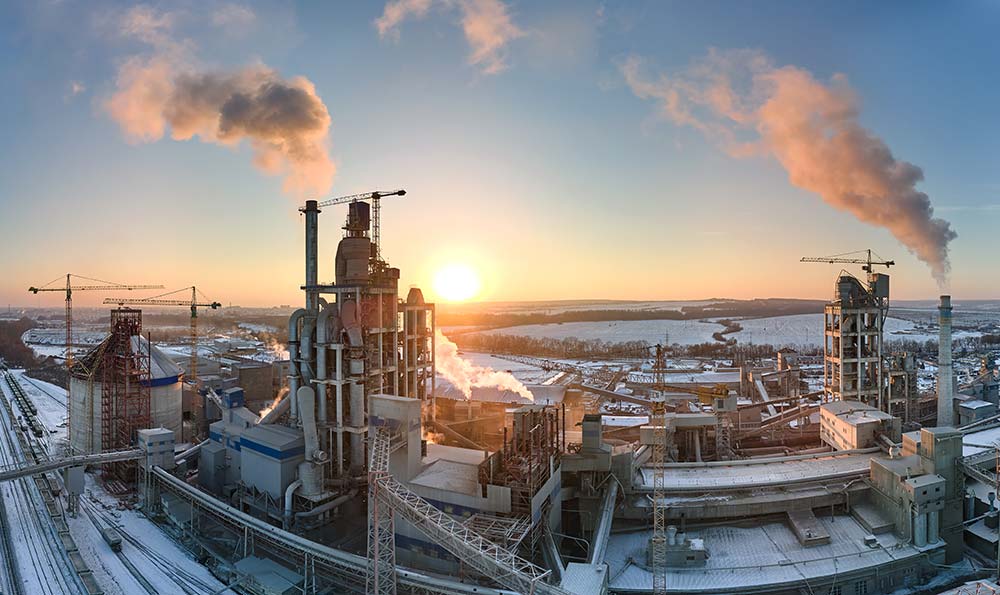
Industrial insulation is critical wherever high heat is part of daily operations.
Core Applications
- Petrochemicals: Cracking furnaces and reactors.
- Steel: Blast furnaces and rolling mills.
- Power Generation: Boilers and turbines.
- Ceramics/Glass: Kilns and furnaces.
- Aerospace: Engines and spacecraft heat shields.
Industry Drivers
- Energy Efficiency Mandates – Global regulations push companies to reduce waste.
- Emission Targets – Insulation lowers fuel use, cutting CO₂ emissions.
- Regional Growth – Asia-Pacific, especially India and China,
Takeaway: Hight Temperature Insulation is finding greater demand due rising worldwide due to energy efficiency demands.
What Challenges Lie Ahead?
Despite proven benefits, HTI faces hurdles.
- Cost: Advanced solutions like aerogels remain expensive.
- Sustainability: Manufacturing and disposal can impact the environment.
- Innovation Opportunities: Vacuum panels and bio-based insulation promise greener futures.
Takeaway: The future of high-temperature insulation lies in balancing cost, sustainability, and performance with innovation.
FAQs
What industries benefit most from high-temperature insulation?
Steel, petrochemicals, power generation, glass, ceramics, and aerospace—all rely on HTI to protect systems and improve efficiency.
How does insulation improve worker safety?
By reducing surface heat, containing fire, and meeting global standards, HTI prevents burns and workplace accidents.
Are sustainable options available for insulation?
Yes. Bio-based and recyclable insulation materials are emerging, though adoption is still limited compared to conventional solutions.
Conclusion
High-temperature insulation is no longer a luxury—it is a necessity. For industries where heat management is mission-critical, it delivers unmatched value. By cutting energy losses, protecting workers, and supporting ESG goals, it offers immediate and long-term returns.
At PBM Insulations, our role goes beyond supply. With decades of expertise, certified labs, and zero-PPM commitment, we engineer industrial insulation solutions trusted across sectors—from boilers and furnaces to aerospace and defense.
Takeaway: High-temperature insulation drives energy efficiency, safety, and sustainability—empowering industries to perform reliably under extreme conditions.
Ready to Future-Proof Your Product with Insulation That Performs?
At PBM Insulations, we engineer thermal and acoustic solutions that power India’s leading OEMs. Whether you’re building the next electric vehicle, optimizing industrial machinery, or looking to enhance sustainability — we’re here to co-create with precision, trust, and performance.
Let’s turn your insulation challenges into engineered solutions.
📩 Reach out for a custom consultation
🌐 Visit us at: www.pbminsulations.com
📞 Call us: +91-7310777959
🔗 Connect with us: LinkedIn | YouTube | Instagram
Join our network for monthly insights on insulation innovation, EV breakthroughs, and industry trends. Subscribe to PBM Insulation Insights today.
“Crafting Quiet Strength Since 1993” | An IATF, ISO & Ecovadis Certified Company | Your OEM Partner in Thermal & Acoustic Innovation