
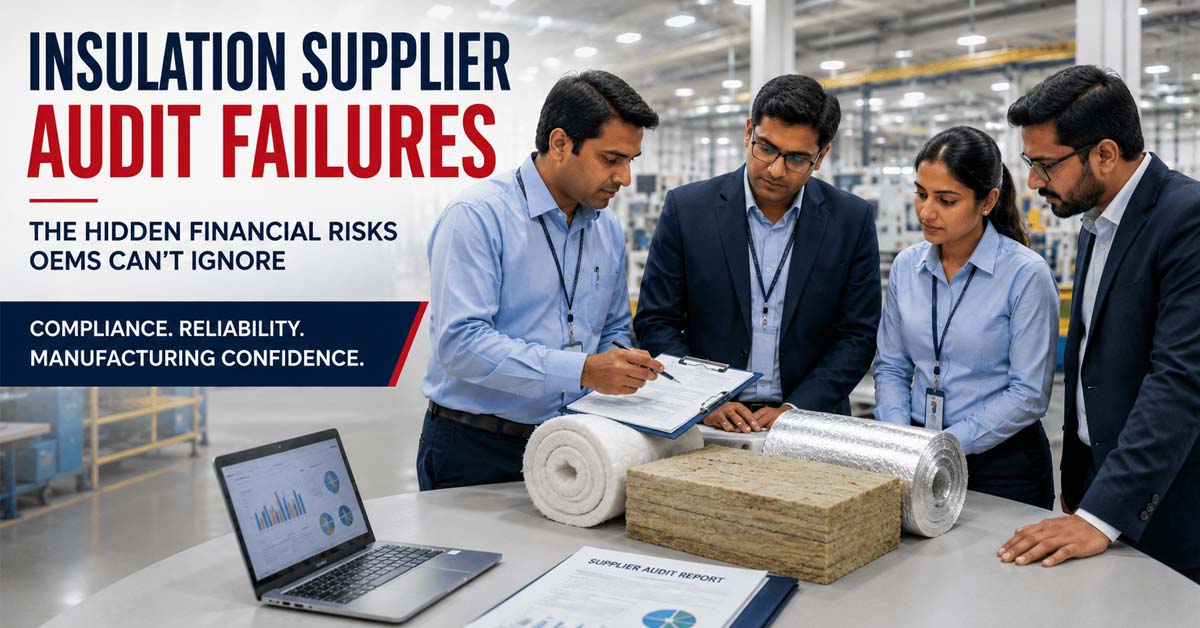
An insulation supplier audit often becomes critical only after an OEM program faces disruption. Delayed approvals, inconsistent insulation performance, or missing compliance records can quickly affect production timelines and sourcing confidence.
Today, insulation supplier audit processes are directly linked to operational reliability across automotive, EV, defence, electrical, and industrial manufacturing programs. OEMs now evaluate suppliers beyond material capability alone.
For many OEM insulation supplier programs, the real challenge begins during production scale-up. Weak insulation supplier qualification systems can create audit gaps that lead to revalidation cycles, sourcing delays, and manufacturing instability.
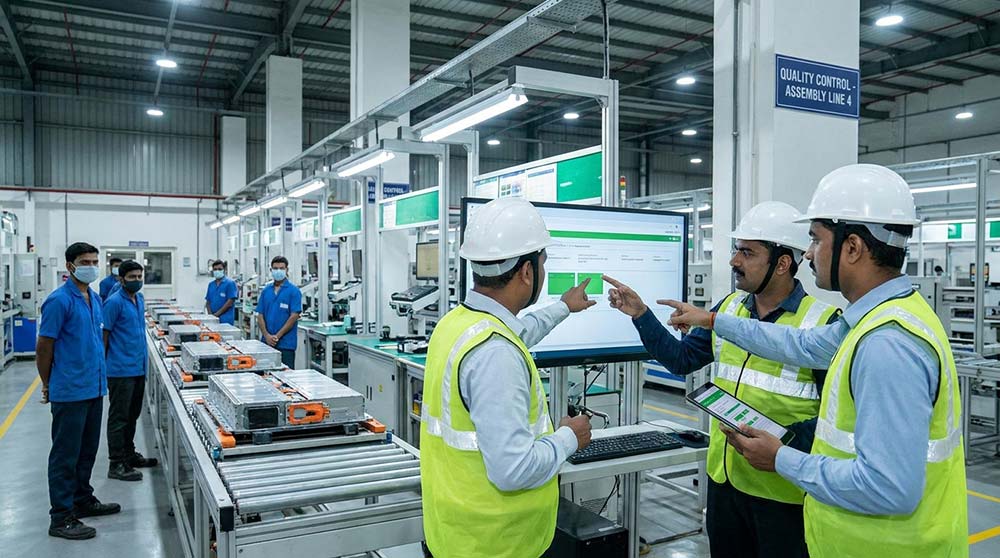
This article explores why insulation audit readiness has become essential for OEM supply continuity. With over 30 years of experience, PBM Insulations supports OEM programs through certified manufacturing systems, engineering-led processes, and long-term insulation supply reliability.
Also Read:
- Insulation Supplier Qualification for OEM RFQs: Why Most Suppliers Fail Before Award
- Aerogel Battery Insulation vs Pyro-thin Mat for EV Thermal Runaway Containment
Hidden Financial Risks of Insulation Supplier Audit Failures
An insulation supplier audit failure creates operational and commercial disruption that extends far beyond compliance observations. For OEMs, failed audits can affect production continuity, sourcing stability, logistics planning, and long-term manufacturing reliability across critical programs.
Direct Operational Costs of Failed Supplier Audits
The immediate financial impact of failed supplier audits is usually visible inside production and supply chain operations. Production stoppages caused by nonconforming insulation materials can reduce manufacturing efficiency and create scheduling disruption. OEMs may also face additional rework, scrap generation, emergency inspections, and delayed shipments that increase operational costs across supplier networks.
Long-Term Commercial Risks OEMs Often Underestimate
The larger financial impact of supplier audit failures often appears long after the audit itself. Ongoing compliance concerns can increase warranty exposure, commercial pressure, and supplier management costs across OEM programs. Repeated supplier quality issues may also damage brand credibility, increase audit frequency, and affect future sourcing opportunities for both OEMs and insulation suppliers.
Even a single failed supplier audit can create long-term operational pressure across the entire OEM supply chain.
Common Causes of Insulation Supplier Audit Failures
Most insulation supplier audit failures are not caused by a single major defect. In many OEM programs, audit observations are linked to preventable process weaknesses, inconsistent quality execution, and poor documentation discipline across manufacturing operations.
Process Control and Documentation Gaps
One of the most common reasons insulation suppliers fail OEM audits is weak process control. Incomplete traceability records reduce audit transparency and lower compliance confidence during supplier evaluations.
- Poor documentation: Weak traceability records reduce audit visibility and compliance confidence.
- Uncontrolled variation: Inconsistent production standards increase the risk of quality deviation.
- Calibration issues: Poorly maintained equipment affects inspection and measurement accuracy.
- Corrective action gaps: Non-standard closure systems increase repeat audit observations.
Supplier Quality System Weaknesses
OEMs increasingly expect insulation suppliers to operate preventive quality systems instead of reactive correction models. Weak supplier quality systems often increase the risk of recurring audit issues and manufacturing inconsistency.
- Limited training: Teams may fail to follow OEM quality procedures correctly.
- Material control gaps: Defective materials may move downstream into OEM production.
- Weak quality planning: Reactive systems increase recurring non-conformities.
- Poor preparedness: Delayed responses and incomplete records affect audit outcomes.
Repeated supplier quality issues can reduce sourcing confidence and increase compliance scrutiny across OEM programs.
How Insulation Supplier Audit Failures Affect OEM Relationships
OEM-supplier relationships depend heavily on manufacturing consistency, compliance discipline, and long-term operational reliability. In high-volume industrial programs, even a single insulation supplier audit failure can quickly affect supplier credibility and future sourcing confidence.
Why Failed Supplier Audits Reduce OEM Trust
OEMs increasingly evaluate suppliers through compliance ratings, supplier scorecards, and risk-based sourcing systems. A failed audit can reduce supplier performance ratings and trigger additional monitoring, sourcing restrictions, or probationary review across manufacturing programs. Suppliers facing repeated manufacturing quality issues may also experience lower participation in future RFQs, delayed approvals, and growing pressure to demonstrate corrective action effectiveness. In competitive OEM environments, repeated audit observations can influence procurement, engineering, and quality leadership decisions over the long term.
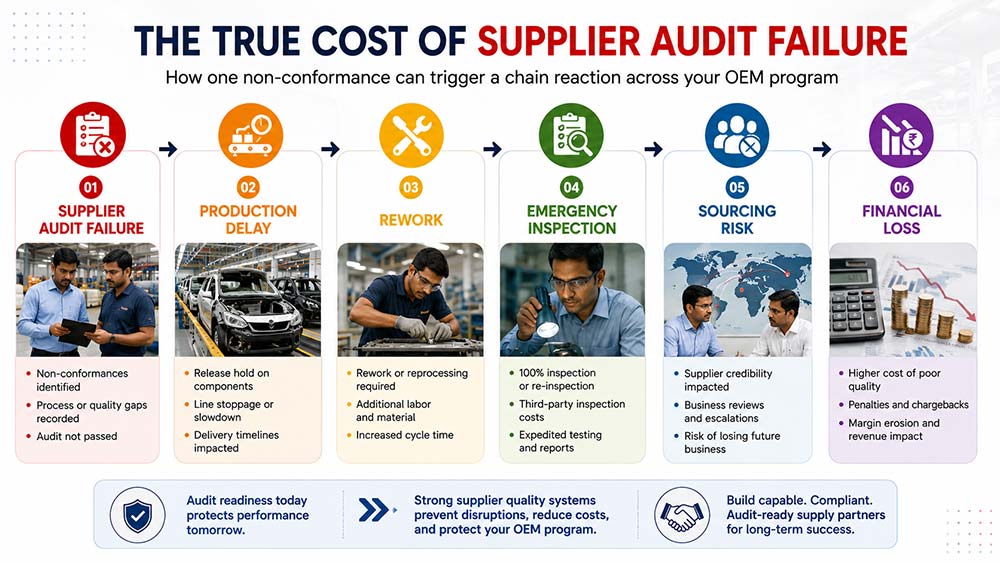
What Is the Average Cost of a Supplier Audit Failure in OEM Manufacturing?
The cost of a supplier audit failure can include rework, production stoppages, emergency inspections, corrective action implementation, expedited logistics, recall exposure, and compliance remediation activities. These costs can create significant operational and financial pressure across OEM manufacturing programs.
Over time, repeated supplier audit failures can shift from short-term compliance issues to long-term commercial and sourcing risks.
How Insulation Suppliers Can Improve OEM Audit Performance
Strong insulation audit readiness depends on proactive quality management, structured documentation systems, process control discipline, and preventive compliance planning. OEMs increasingly expect insulation suppliers to identify and resolve compliance risks before formal supplier evaluations begin.
- Documentation systems: Maintain updated traceability records, compliance files, and controlled manufacturing documentation.
- Process controls: Standardize production parameters to reduce variation and improve manufacturing consistency.
- Corrective action systems: Focus on permanent root cause elimination instead of temporary corrective measures.
- Internal mock audits: Conduct structured internal assessments to identify compliance gaps before OEM audits.
- Workforce training: Improve employee understanding of OEM quality expectations and audit procedures.
Strong supplier audit readiness improves operational reliability, strengthens supplier credibility, and reduces long-term compliance risks across OEM manufacturing programs. Over time, preventive quality discipline becomes a critical factor in maintaining stable OEM partnerships and future sourcing opportunities.

Also Read:
- Thermal Runaway Insulation for EV Battery Safety
- What OEMs Must Verify Before Selecting an Insulation Supplier for Long-Term Programs
Conclusion
The failure of suppliers to pass audits has a major impact on OEM manufacturing programs. Strong supplier quality management helps reduce operational instability and supports manufacturing consistency.
Organizations with mature compliance systems are better positioned to improve audit performance, strengthen customer relationships, and maintain competitive manufacturing reliability within increasingly demanding industrial environments.
As OEM quality compliance expectations continue evolving, supplier audit readiness is becoming a strategic business requirement rather than a routine operational activity.
Strengthen OEM supplier audit preparedness, reduce compliance-related financial exposure, and improve long-term manufacturing reliability through proactive supplier quality management and operational discipline.
Our Digital Presence:
Explore manroland Goss India across web offset press solutions, certified pre-owned systems, print service support, consumables, and industry insights built for newspaper, commercial, and packaging print operations. From press installations and modernization to lifecycle support and productivity improvement, our platforms showcase how Indian print plants are adapting to changing production and capex realities.
Visit our website to explore products, services, and insights from the print industry.
Connect with us on:
Website | Products | Services | Insights
Stay updated through:
Instagram | YouTube