
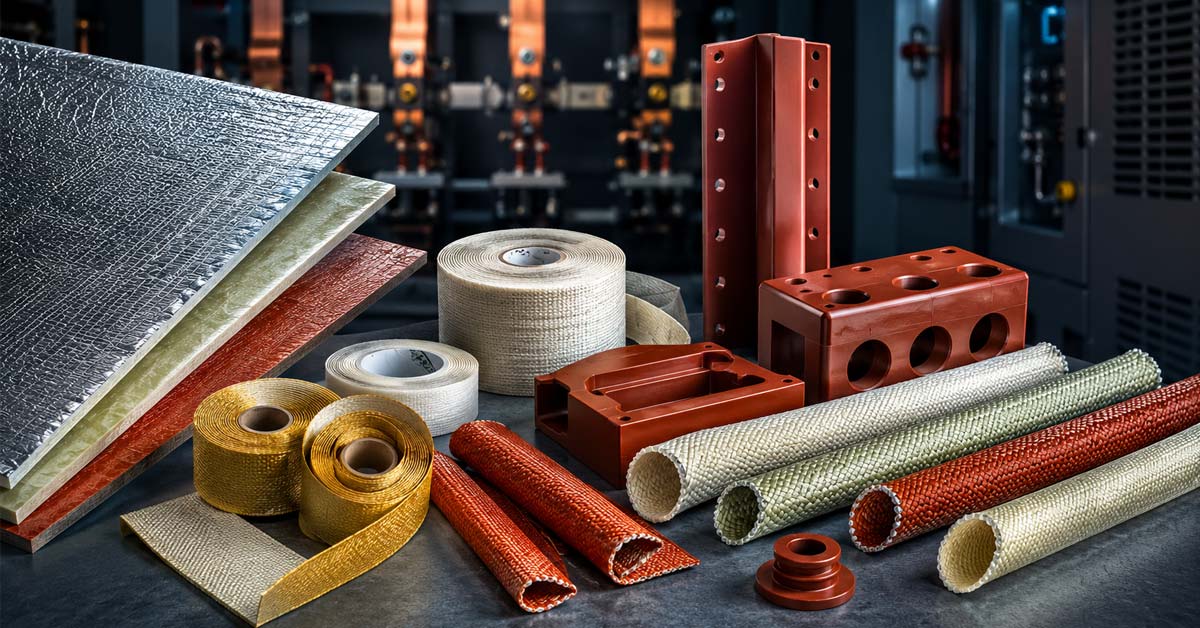
Power systems today operate under greater demands than ever before. Higher electrical loads, compact equipment designs, and continuous operating cycles leave little room for failure. In this environment, Electrical Insulation has become fundamental to protecting Critical Power Equipment. Effective Transformer Insulation and Switchgear Insulation help maintain equipment reliability by reducing the impact of heat, abrasion, vibration, and electrical stress across critical operating zones.
Many insulation failures begin long before equipment performance declines. The issue is often not the quality of Raw Insulating Materials or Non-Conductive Materials, but whether they have been engineered for the equipment’s geometry, operating conditions, and long-term service environment. Poor fitment and unsuitable insulation formats gradually weaken protection until reliability is compromised.
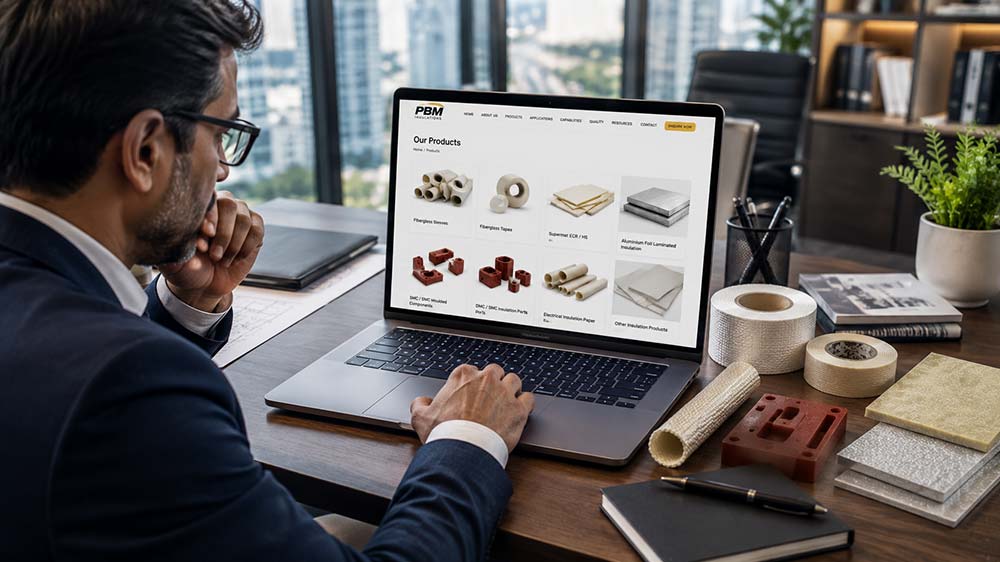
At PBM Insulations, we have spent more than three decades developing application-specific electrical insulation systems for OEM programs across demanding industries. This experience has consistently reinforced that dependable equipment protection comes from combining the right material, engineered fitment, rigorous validation, and repeatable manufacturing.
In this edition, we explore how application-specific Transformer Insulation and Switchgear Insulation protect critical power equipment, why insulation format matters as much as material selection, and what electrical OEMs should evaluate before finalising an insulation specification.
Electrical Insulation Failure Risks in Critical Power Equipment
Electrical insulation rarely fails without warning. In most transformers and switchgear, deterioration begins gradually as insulation is exposed to heat, vibration, moisture, and mechanical stress. Identifying these risks early helps extend equipment life and improve operational reliability with smart insulation system.
Electrical insulation failure is usually caused by gradual degradation rather than sudden material breakdown. Proper transformer insulation, switchgear insulation, and application-specific fitment help protect critical power equipment by maintaining insulation integrity under long-term electrical and mechanical operating conditions.
Insulation Degradation in Transformer and Switchgear Systems
Inside transformer insulation and switchgear insulation systems, materials operate under continuous thermal and mechanical stress. Vibration loosens insulation over time, while abrasion gradually wears protective layers at high-contact areas. Thermal cycling hardens flexible materials, reducing their ability to maintain reliable protection.
Moisture exposure further accelerates insulation degradation when materials are unsuitable for the operating environment. These changes usually remain hidden during normal equipment operation. By the time overheating or electrical faults appear, the electrical insulation system has already lost much of its protective capability.
Application-Specific Electrical Insulation Selection
Selecting the correct raw materials for multi layer insulation alone does not guarantee dependable electrical insulation. Even high-quality non-conductive materials can perform poorly if they are not designed for the equipment’s geometry, installation method, and operating conditions.
Application-specific transformer insulation and switchgear insulation are engineered to match winding profiles, connection points, and enclosure layouts. Accurate fitment reduces mechanical stress, eliminates unsupported gaps, and helps maintain long-term protection. For critical power equipment, insulation format is often just as important as the material itself in ensuring reliable performance.
Electrical insulation should never be treated as a standard bill-of-material item. It is an engineered protection system that directly influences equipment reliability, maintenance costs, and operational continuity. Investing in application-specific insulation helps electrical OEMs reduce long-term risk while improving the performance of critical power equipment.
Application-Specific Electrical Insulation for Transformers, Switchgear and Panels
Every electrical application creates different insulation challenges. Transformer insulation, switchgear insulation, and panel insulation operate under unique thermal loads, mechanical stresses, and installation constraints. Reliable types of insulation begins by matching the insulation system to the equipment rather than applying a standard material across every application.
Transformer and Switchgear Insulation Requirements
Different types of critical power equipment require insulation designed for their operating environment. Material selection should always consider heat exposure, equipment geometry, and long-term reliability before installation.
- Transformer Insulation: Requires dimensionally stable electrical insulation materials that withstand continuous thermal cycling around windings and magnetic cores.
- Switchgear Insulation: Demands abrasion-resistant insulation for conductors, busbars, and termination points operating within compact assemblies.
- Panel Insulation: Requires application-specific insulation systems that protect electrical panels, junction boxes, and enclosures from heat, vibration, and mechanical wear.
Selecting the Right Electrical Insulation Format
Choosing the correct insulation format improves fitment, equipment protection, and service life. The insulation system should always match the installation area instead of relying on a single raw insulating material across the entire assembly.
- Equipment Geometry: Custom insulation formats follow winding profiles, connection points, and enclosure layouts for complete coverage.
- Operating Conditions: Non-conductive materials should be selected according to operating temperature, vibration levels, moisture exposure, and service environment.
- Application Fitment: Sleeves, tapes, moulded components, laminated slabs, and insulation mats should be specified according to the protection zone rather than the material category alone.
Application-specific electrical insulation provides stronger long-term protection because every insulation component is engineered around the equipment it protects. This approach improves equipment reliability, reduces maintenance risks, and helps critical power equipment perform consistently throughout its operational life.
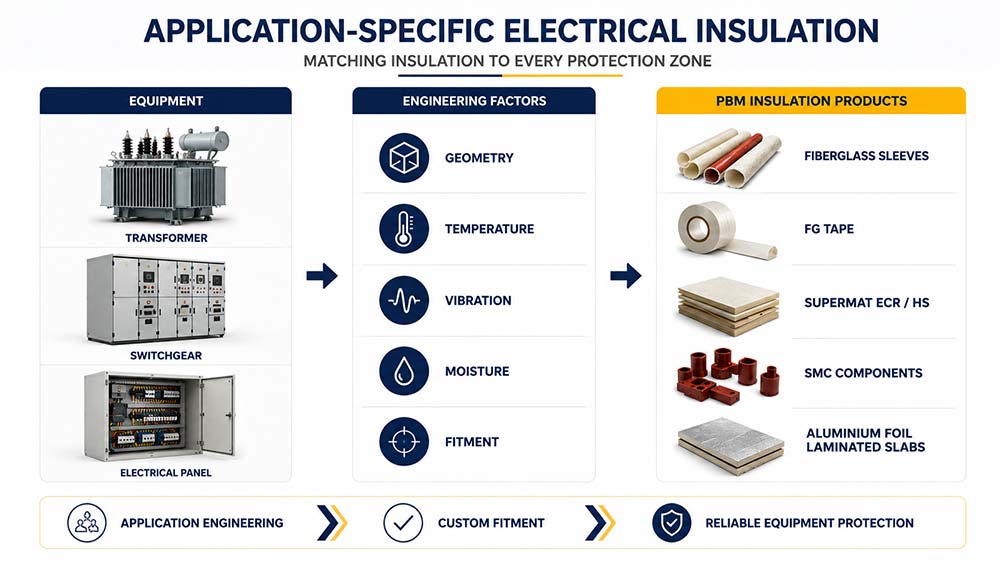
Electrical Insulation Materials and Formats for Protection Zones
Every zone within critical power equipment experiences different operating conditions. Effective electrical insulation depends on selecting insulation materials and formats that match the equipment geometry, thermal exposure, and mechanical stress to ensure long-term protection and reliable performance.
Electrical Insulation Products for Different Protection Zones
Application-specific electrical insulation requires more than selecting raw insulating materials. Each protection zone demands a format designed for its function, operating conditions, and installation requirements. Proper selection improves insulation integrity while reducing wear, movement, and maintenance risks throughout the equipment lifecycle.
PBM’s electrical insulation portfolio includes fiberglass sleeves for conductors and cable protection, fiberglass tapes for terminations, SMC and moulded components for structural insulation, Supermat ECR and HS mats for high-temperature electrical insulation, and aluminium foil laminated slabs for reflective and moisture-resistant protection. Each format is engineered around the application rather than used as a generic solution.
What Electrical Insulation Format Is Best for Different Protection Zones?
The appropriate electrical insulation format depends on the application. Fiberglass sleeves and tapes protect conductors and terminations, SMC components safeguard enclosures, while insulation mats and laminated slabs provide reliable thermal protection for heat-intensive transformer, switchgear, and electrical panel applications.
Selecting electrical insulation by protection zone is an engineering decision rather than a catalogue choice. Matching the right insulation material and format to each application improves equipment reliability, extends service life, and enhances the performance of critical power equipment.
Engineering Process for Reliable Electrical Insulation Solutions
Reliable electrical insulation begins with engineering, not product selection. Every transformer insulation and switchgear insulation solution should be developed around equipment requirements, validated through testing, and manufactured consistently to deliver dependable protection for critical power equipment.
- Application Engineering: We evaluate equipment geometry, operating conditions, thermal exposure, and protection requirements to develop application-specific electrical insulation solutions.
- Custom Design and Fitment: Insulation components are engineered for transformers, switchgear, electrical panels, and enclosures to ensure accurate fitment and long-term insulation performance.
- Material Selection: Electrical insulation materials, including fiberglass, laminated products, textile insulation, and moulded components, are selected according to application requirements rather than using a standard material across every project.
- In-House Validation: Every insulation solution undergoes thermal, shrinkage, moisture, and material consistency testing using our in-house muffle furnace and industrial oven before production approval.
- OEM Manufacturing: Approved insulation components are manufactured under IATF 16949 and ISO 9001 certified processes, ensuring repeatable quality, production consistency, and reliable supply for electrical OEM programs.
This integrated engineering approach transforms electrical insulation into a dependable protection system that improves equipment reliability, supports long-term operational performance, and helps OEMs protect critical power equipment throughout its service life.
Conclusion
In critical power equipment, electrical insulation is more than a protective material. It is an engineered system that helps safeguard transformers, switchgear, and electrical panels from gradual degradation, abrasion, and long-term operational stress that can compromise equipment reliability.
Reliable transformer insulation and switchgear insulation depend on selecting the right material, designing the correct format, and validating performance before production. These engineering decisions directly influence equipment life, operational continuity, and long-term maintenance requirements.
With over 30 years of insulation manufacturing experience and IATF 16949 certified processes, PBM develops application-specific electrical insulation solutions for demanding OEM programs.
Discuss your transformer, switchgear, or electrical insulation requirements with PBM to develop a custom solution engineered for your application.
Ready to Future-Proof Your Product with Insulation That Performs?
At PBM Insulations, we engineer thermal and acoustic solutions that power India’s leading OEMs. Whether you’re building the next electric vehicle, optimizing industrial machinery, or looking to enhance sustainability — we’re here to co-create with precision, trust, and performance.
Let’s turn your insulation challenges into engineered solutions.
📩 Reach out for a custom consultation
🌐 Visit us at: www.pbminsulations.com
📞 Call us: +91-7310777959
🔗 Connect with us: LinkedIn | YouTube | Instagram
Join our network for monthly insights on insulation innovation, EV breakthroughs, and industry trends. Subscribe to PBM Insulation Insights today.
“Crafting Quiet Strength Since 1993” | An IATF, ISO & Ecovadis Certified Company | Your OEM Partner in Thermal & Acoustic Innovation